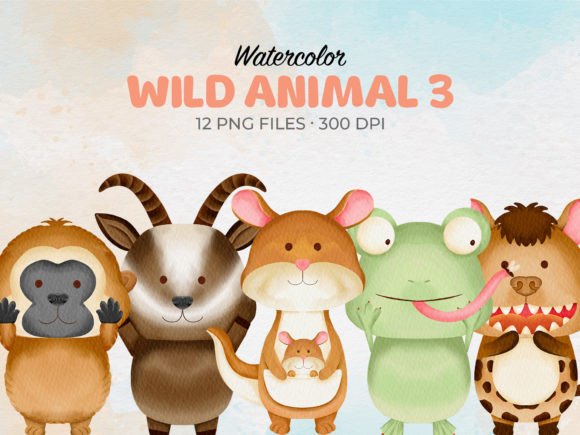
Watercolor Cute Wild Animal 3 Clipart: A Designer's Asset
There’s a certain magic in watercolor art that digital precision often struggles to replicate. The soft bleeds, the organic texture, the feeling of a human hand guiding the brush—it brings warmth and authenticity to any project. When this style is applied to charming animal illustrations, the result is a powerful design asset with broad appeal. The Watercolor Cute Wild Animal 3 Clipart collection taps directly into this trend, offering a versatile toolkit for creators who need that hand-painted, whimsical touch without the hours of manual work.
The Visual Character: More Than Just Cute Pictures
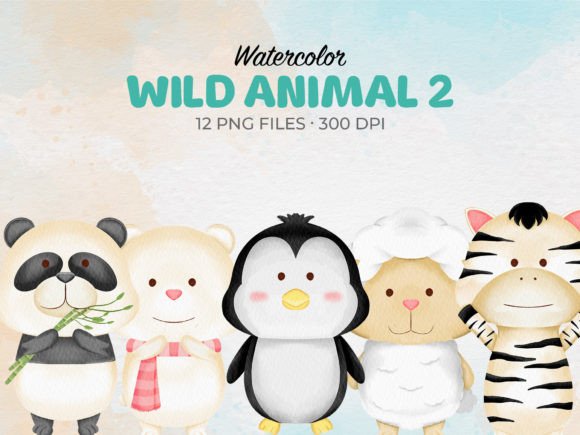
This set of 12 PNG files isn't a random assortment of animals. Each element is crafted with a consistent aesthetic: soft, blended watercolor washes, a gentle color palette, and endearing, stylized expressions. Think of a fox with a slightly oversized head, a bear with a curious tilt, or an owl with wide, friendly eyes. The personality here is approachable, gentle, and nostalgic. It’s a style that communicates kindness, creativity, and a touch of whimsy.
The technical specs matter for professional use. These are high-resolution 300DPI files with transparent backgrounds, meaning they integrate seamlessly into layered designs in Adobe Photoshop, Illustrator, Canva, or Affinity Designer. You’re not dealing with low-quality JPEGs with distracting white boxes; these are clean, usable design assets ready for immediate implementation.
Where This Style Truly Shines: Practical Applications
The true value of a creative font or asset set lies in its application. This watercolor animal clipart collection is a workhorse for several key areas:
- Brand Identity & Packaging: For businesses targeting families, children, eco-conscious consumers, or the pet industry, these illustrations can become a cornerstone of the brand. Use them on product labels for artisan goods, on the packaging for organic baby products, or as mascot elements for a pet care service. The style builds immediate recognition and conveys a specific brand personality—friendly, handmade, and trustworthy.
- Editorial & Publishing Design: Bloggers and publishers can use these elements to break up text-heavy pages, illustrate articles about nature, parenting, or crafting, and create engaging featured images. A well-placed watercolor animal can make a PDF workbook or an e-book cover feel more polished and thoughtfully designed.
- Marketing & Social Media Graphics: In a scroll-stopping environment, unique visuals are currency. These clipart pieces are perfect for creating eye-catching Instagram Stories, Facebook post templates, or Pinterest pins. They can add a layer of visual interest to announcements, quotes, or promotional graphics, helping a brand stand out from the sea of generic stock photos.
- Print-on-Demand (POD) Products: This is a direct and profitable application. The clipart is designed for this purpose. Apply the designs to t-shirts, tote bags, mugs, notebooks, and phone cases. The watercolor style translates beautifully to fabric and ceramic, offering a product line that feels artistic and unique compared to standard graphic tees.
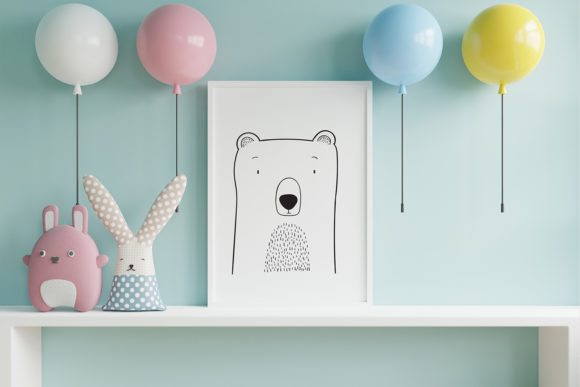
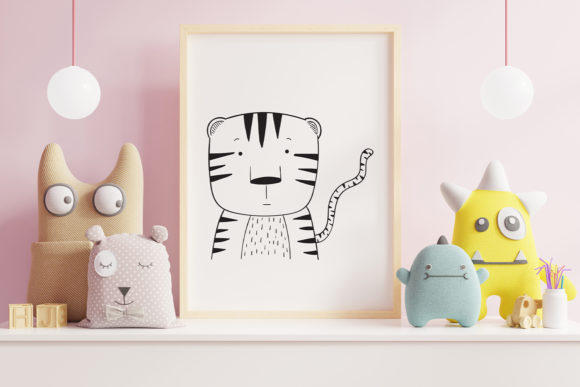
- Personal & Craft Projects: For hobbyists, the uses are endless. Create custom greeting cards, scrapbook pages, party invitations, or wall art for a child's room. The digital format allows for resizing and color adjustment to fit any personal project.
Making It Work: Integration with Typography and Layout
A common pitfall with decorative assets is letting them overpower the design. The key is balance. These animals work best as supporting characters, not the entire show. Pair them with clean, modern typography. A sans serif font like Montserrat or Lato provides excellent contrast and keeps the overall look contemporary and readable. For a more whimsical pairing, a simple script font or handwritten font can complement the style, but use it sparingly for headlines or accents to avoid a cluttered feel.
Consider the principles of visual hierarchy. Use the clipart to guide the eye. A small animal peeking from a corner can draw attention to a call-to-action button. A larger illustration can anchor a social media graphic, with text layered over a semi-transparent shape to ensure readability. The goal is to use the art to enhance the message, not compete with it.
Choosing and Using Your Assets Wisely
Before downloading any premium font or clipart set, pause and evaluate. Does the style genuinely align with your project's tone and your audience's expectations? A watercolor animal might be perfect for a children's yoga studio but less suitable for a corporate law firm's annual report. Always download a sample if possible to test the resolution and transparency in your own software.
When you acquire the Watercolor Cute Wild Animal 3 Clipart, you’re getting a commercial font and asset license. This is critical. It means you have the legal right to use these elements in products you sell, like the POD items mentioned. However, it’s always your responsibility to read the specific license terms. Ensure it covers your intended use, whether it's for unlimited digital sales or a limited print run.
Think of this collection not as a one-off solution, but as part of your broader design assets library. Its strength is in its cohesive style. Using multiple elements from the set across a brand's touchpoints—from website icons to thank you cards—builds a strong, recognizable brand identity. It demonstrates attention to detail and a commitment to a curated aesthetic, which resonates deeply with audiences and fosters trust.
In the end, effective design is about solving problems and communicating ideas. A well-chosen asset like this watercolor clipart set saves time, elevates the quality of work, and opens up new creative possibilities. It’s a practical tool for the professional designer and a gateway to polished creation for the entrepreneur and hobbyist alike. The right asset, used thoughtfully, doesn’t just decorate a page—it helps tell your story.