Bringing Ocean Life to Your Projects with Watercolor Clipart
There's a distinct warmth to watercolor art that digital tools often struggle to replicate. The soft bleeds, the imperfect edges, the way colors blend into each other—it all carries a handcrafted feel that immediately draws the eye. This is precisely the appeal of the Watercolor Marine Sea Animal Clipart collection. It's not just a set of images; it's a toolkit for injecting organic, artistic personality into your designs, bypassing the sterile look of standard vector graphics.
The Visual Character of Hand-Painted Elements
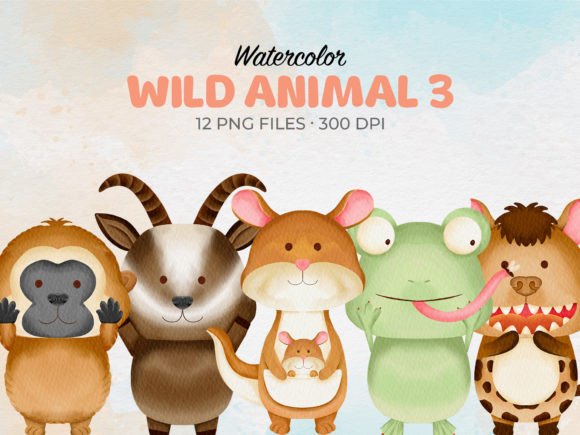
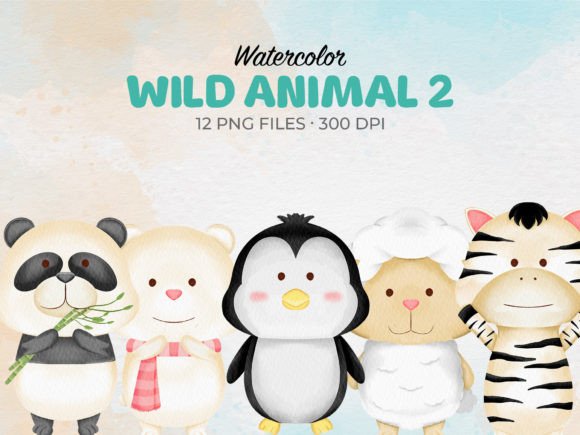
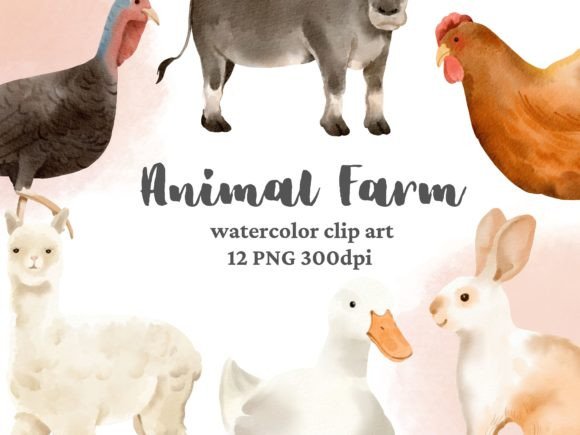
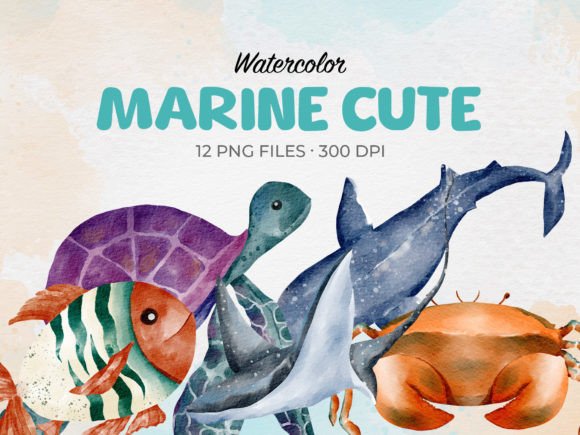
What sets this collection apart is its authentic aesthetic. Each of the twelve elements features the nuanced texture of real paint on paper. You’ll notice the subtle gradients within a whale’s flank, the delicate washes of color on a seahorse, and the playful, irregular outlines that define genuine watercolor work. The style strikes a balance between realism and whimsy, making it versatile. It feels professional enough for a boutique brand’s packaging yet approachable enough for a child’s educational poster. The transparent backgrounds are crucial here—they allow these creatures to float seamlessly over any color or texture, whether it’s a crisp white webpage, a kraft paper mockup, or a vibrant social media banner.
This isn't a collection of generic silhouettes. The personality of each piece is carefully curated. The marine animals are depicted with a sense of gentle movement, as if they were just sketched from life. This inherent dynamism is a powerful tool. It can transform a static logo design into something that feels alive and engaging. For a content creator or blogger, using one of these as a recurring motif can build a recognizable visual thread across an entire site or social media feed, fostering a stronger connection with the audience.
Where This Clipart Truly Shines: Practical Applications
The real value of the Watercolor Marine Sea Animal Clipart lies in its adaptability. For entrepreneurs and small business owners, especially those in the eco-friendly, children’s, or lifestyle spaces, these elements are gold. Think beyond a simple illustration on a product. Consider how a stylized octopus could become the cornerstone of a brand identity for a sustainable seafood company or a marine biology blog. The organic nature of the art supports a narrative of authenticity and care.
For designers and crafters working in Print-on-Demand (POD), the 300DPI resolution and RGB color mode make these files ready for immediate production. This is where the practical magic happens. You can apply these assets to a vast array of merchandise without worrying about pixelation or color conversion issues. Here are a few ways to put them to work:
- Apparel & Accessories: A subtle, watercolor stingray on the pocket area of a tote bag or a bold, colorful whale across the front of a t-shirt creates a standout product that feels artistic and unique.
- Stationery & Packaging: For notebook covers, greeting cards, or product labels, these illustrations add a layer of sophistication and handcrafted charm that stock photography cannot match. They are perfect for editorial design in magazines or catalogs focused on nature and travel.
- Digital Presence: In web design, use them as featured images for blog posts about ocean conservation, as decorative elements in email newsletters, or as part of a cohesive set of social media graphics. They instantly elevate the visual quality of content.
- Printable Products: Create and sell downloadable art prints, educational worksheets for kids, or planner stickers. The high-resolution files ensure your end product is crisp and professional.
Integrating Artwork into Your Brand and Design Strategy
Choosing to use a specific style of illustration is a strategic decision that influences how your audience perceives your brand. The soft, approachable nature of watercolor art can make a brand feel more human, trustworthy, and connected to nature. It steers a brand identity away from the cold, corporate feel of some modern typography and sans serif fonts, instead fostering a sense of warmth and creativity.
When incorporating the Watercolor Marine Sea Animal Clipart, think about visual hierarchy and consistency. Don't scatter the images randomly. Use one as a dominant hero image on your website's homepage, then pull smaller elements or specific color palettes from the set to use in subheadings, borders, or iconography. This creates a cohesive system. For example, the coral pink from a jellyfish illustration could become an accent color in your graphic design toolkit, used in buttons or highlight text.
A critical step is evaluating font pairings. The organic, flowing lines of these illustrations pair beautifully with certain typefaces. A clean, geometric sans serif font can provide a perfect counterbalance, ensuring readability and maintaining a modern edge. Alternatively, a complementary script or handwritten font can amplify the artistic, personal feel, but it should be used sparingly for headlines or quotes to avoid overwhelming the design. Always test your combinations. Place the clipart next to your chosen fonts on a mockup to see how the weights and textures interact. The goal is harmony, not competition for attention.
Finally, consider the licensing. This is a commercial font in the sense that it's a commercial asset. The provided license typically allows for use in end products for sale, which is essential for POD and merchandise. Always review the specific terms to ensure your intended use, especially for large-scale commercial projects, is covered. This due diligence is part of building a professional and sustainable creative practice.
In the end, the Watercolor Marine Sea Animal Clipart is more than just decorative flair. It’s a versatile design asset that can define a brand's visual language, enhance storytelling, and create tangible products that resonate with an audience seeking authenticity and beauty. By understanding its strengths and applying it thoughtfully, you can turn these twelve digital paintings into a cornerstone of your creative work.